Why grass-fed actually matters
The fatty acid profile of pasture-raised beef is meaningfully different from feedlot beef. We unpack why, in plain language.
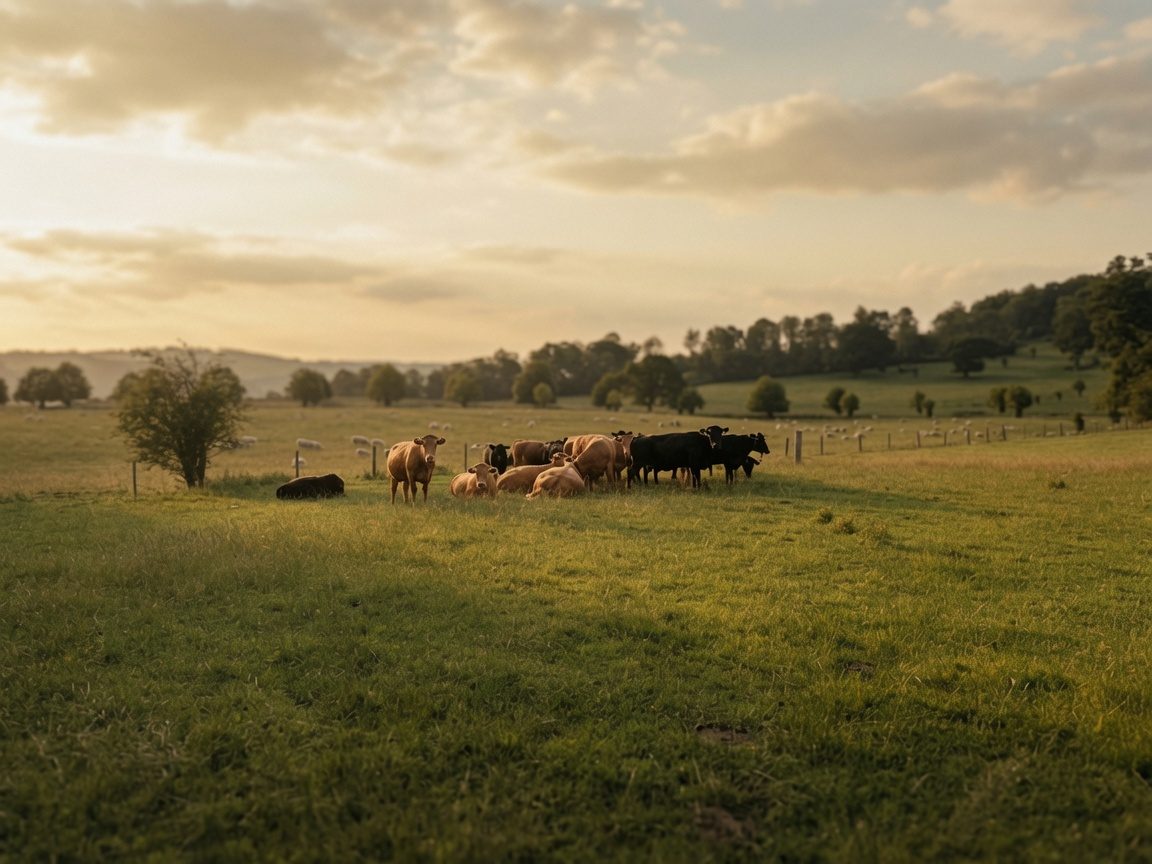
"Grass-fed" gets thrown around a lot. It's on labels, in marketing copy, on restaurant menus. But what does it actually mean for the fat — the thing you're buying when you buy tallow?
The short version
Cattle that eat grass their whole lives produce fat with a genuinely different chemical makeup to cattle finished on grain in a feedlot. More omega-3s, more conjugated linoleic acid (CLA), more fat-soluble vitamins, and a better ratio of saturated fatty acids. This isn't a marginal difference — it's measurable and meaningful.
What happens on grain
Most commercial beef cattle in the UK and US spend their final months on a concentrate diet — grain, soy, and supplements designed to put on weight quickly. This changes the fat. Grain-finished animals lay down more omega-6 fatty acids and less omega-3. The ratio tips from roughly 2:1 (grass-fed) toward 6:1 or worse.
That matters because our modern diet is already drowning in omega-6, mostly from seed oils. Adding more through animal fat defeats the purpose of switching to traditional fats in the first place.
What happens on grass
Our South Devon and Aberdeen Angus cattle graze permanent pasture on the edge of Bath. They eat grass, clover, herbs — whatever the field offers through the season. In winter, they eat hay and silage from our own fields.
This slower, more natural diet produces fat that's:
- Higher in omega-3 fatty acids — the anti-inflammatory kind
- Higher in CLA (conjugated linoleic acid) — linked to improved body composition and metabolic health in some studies
- Richer in vitamins A, D, E, and K2 — fat-soluble vitamins that are stored in the animal's fat
- Higher in stearic acid — a long-chain saturated fat that behaves differently from other saturated fats, appearing to be metabolically neutral
The colour tells you
You can often see the difference. Tallow from grass-fed animals has a golden, almost amber colour — that's the beta-carotene from all that fresh pasture. Grain-finished tallow tends to be paler, whiter. Our tallow is golden. Every batch.
"Grass-fed" isn't always what it seems
In the UK, there's no strict legal definition for "grass-fed" on beef labels. Some farms advertise grass-fed but finish on grain for the last few months. Others use the term loosely.
We keep it simple: our cattle are born here, graze here, and never leave. They eat grass and forage their entire lives. No grain finishing, no feedlots, no bought-in concentrates. When we say grass-fed, that's all we mean — cattle eating grass, on our farm, until the end.
Does it matter for cooking?
Honestly, in the pan, you probably won't taste a huge difference between grass-fed and grain-fed tallow. Both render well, both have high smoke points, both make excellent roast potatoes.
The difference is underneath — in the nutritional profile of the fat you're eating every day. If you're using tallow as your daily cooking fat (and we think you should), you want the version with the best fatty acid profile. That's grass-fed, and it's not close.